
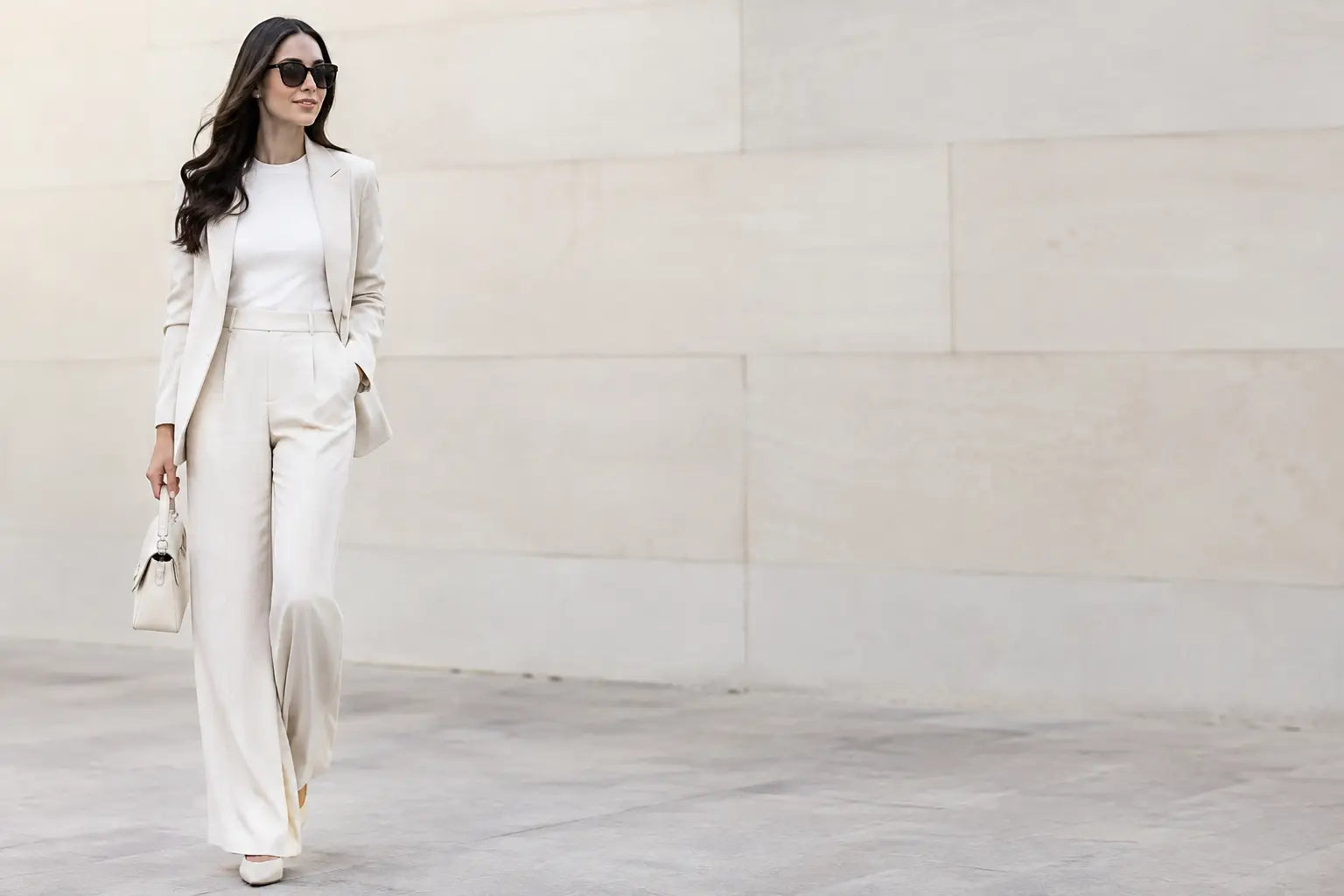

How to Style Monochrome Outfits With Confidence
September 30, 2026 6 min read
A head-to-toe color moment does more than make getting dressed easier. It makes you look intentional before you have even said a word. Learning how to style monochrome outfits is the shortcut to serving polished brunch energy, birthday-girl confidence, or vacation-vixen drama with pieces you will actually wear again.
Monochrome does not mean every item has to be the exact same shade. In fact, an outfit with a little variation usually looks more expensive, more dimensional, and much less like a uniform. The goal is to build one color story, then make it feel like you.
Start With a Color That Brings Out Your Main-Character Energy
The best monochrome color is not always black, beige, or white. Those shades are classics for a reason, but a bold color can make the whole outfit feel instantly more special. A red jumpsuit with red heels is made for a birthday dinner. A hot-pink matching set is a serious vacation photo opportunity. Denim-on-denim gives casual days a cool, pulled-together edge.
Choose your base color based on the mood and the occasion. Black is sleek, sultry, and easy for date night. Cream, camel, and chocolate brown feel rich for brunches, dinners, and daytime events. Cobalt, lime, orange, and fuchsia are for the woman who did not come to blend in. Soft pastels can feel romantic for spring, while deep burgundy, olive, and navy bring the drama when the weather cools down.
If a bright color feels intimidating, start with a coordinated set. Matching tops and bottoms already create that long, clean line, so you only need to finish the look with shoes, a bag, and jewelry. It is the low-effort route to a high-impact outfit.
How to Style Monochrome Outfits With Different Shades
Exact matching is cute, but tonal dressing is where the fashion magic happens. Think of it as choosing one color family and playing with the light and dark versions of it. A chocolate bodysuit with espresso pants and a caramel trench still reads as monochrome. So does a blush blouse with a rose skirt and a berry-toned bag.
This shift in shade keeps a single-color look from falling flat. It also makes styling easier because you do not have to hunt for identical pieces. When you are shopping your closet, group similar colors together first. You may realize that your ivory sweater, off-white pants, and creamy heels were waiting to become an outfit.
For the most flattering result, place the shade you want to emphasize where you want attention. A lighter top with darker trousers can draw the eye upward. Darker bottoms with a brighter jacket or blouse can feel balanced and elongating. If you love a body-conscious silhouette, a fitted monochrome dress topped with a slightly different shade of outerwear creates shape without chopping your body into separate visual sections.
Texture Is What Makes One Color Look Expensive
A monochrome outfit in one fabric can work, especially in a jumpsuit or a matching set. But mixing textures is the easiest way to make the same-color look feel styled rather than accidental. Pair smooth with structured, soft with sleek, or casual with a little shine.
Try a ribbed knit top with faux-leather pants. Wear a satin cami under a tailored blazer. Combine denim with a fitted bodysuit, or add a fluffy sweater to a silky skirt. A cargo pant in the same color family as a fitted top gives you that playful contrast between relaxed and snatched.
Texture matters even more with neutral outfits. An all-black look becomes unforgettable when it includes a matte bodysuit, coated pants, a structured bag, and pointed-toe heels. An all-white outfit feels less bridal and more fashion-girl when you mix crisp denim, a soft knit, and gold accessories.
There is one trade-off: too many competing finishes can get busy fast. If you are wearing high-shine pants, rhinestones, a statement bag, and glossy shoes, keep your top clean and simple. Let one or two textures take center stage.
Play With Proportions, Not Just Color
Monochrome naturally creates a long visual line, which is one reason it photographs so well. You can make that effect even stronger by paying attention to fit. A cropped jacket with high-waisted wide-leg pants highlights the waist. A fitted bodysuit with cargo pants balances sexy and casual. An oversized blazer over a mini dress gives you legs-for-days energy without trying too hard.
The key is contrast. If your bottoms are loose, choose a top with shape. If you are wearing a dramatic oversized sweater, go for leggings, a mini skirt, or fitted pants underneath. A slouchy matching jogger set can still look elevated when the waistband sits correctly and the top has a slight tuck or crop.
Do not feel pressured to wear skin-tight pieces from head to toe just because you want a sleek result. A monochrome outfit can be relaxed, covered up, and still incredibly sexy. It depends on the silhouette, your comfort level, and where you are headed. A flowing maxi dress with matching sandals is perfect for a resort dinner. A fitted romper with a same-tone blazer is ready for cocktails.
Let Accessories Support the Color Story
Accessories can match your outfit, but they do not have to disappear into it. Think of them as the finishing details that give the look personality. A monochrome outfit is the perfect backdrop for gold hoops, chunky bangles, a belt, sunglasses, or a standout lip.
For a clean, lengthening effect, choose shoes close to the color of your pants or dress. Black boots with black pants, nude heels with a tan look, or white sneakers with a cream set keep the line uninterrupted. This is especially helpful with wide-leg pants, maxi skirts, and full-length jumpsuits.
A contrasting accessory can work too, but make it intentional. A red outfit with a metallic clutch feels glam. A chocolate-brown look with turquoise earrings feels playful and unexpected. An all-denim outfit with leopard-print heels brings the attitude. One contrast is usually enough. Once you add a bold bag, colorful shoe, statement jewelry, and a print at the same time, the monochrome moment starts competing with itself.
Use Prints and Denim Without Losing the Monochrome Effect
Yes, prints can belong in a monochrome outfit. The easiest approach is to use an animal print, stripe, or abstract pattern that includes your main color. A black-and-brown leopard bag with a chocolate outfit, for example, can feel cohesive because it stays within the same warm, rich palette.
Denim is even more flexible. A light-wash denim jacket with medium-wash jeans can look intentionally tonal, especially with a white or blue bodysuit underneath. If you want a cleaner denim-on-denim look, keep the washes close and add a belt or bag to create a focal point. The same rule applies to colored denim: a red denim jacket and red trousers can look fierce when the shades are neighboring rather than perfectly identical.
When your print is loud, treat it like an accessory. Keep the rest of your pieces solid and let the pattern bring the flirt. That way, the outfit still feels coordinated instead of overworked.
Make It Work for the Actual Plan
The prettiest monochrome outfit is not always the right one for your plans. A cream satin set may be stunning for dinner, but it is risky for an outdoor festival with a drink in one hand and nowhere to sit. A full white look makes a statement, but it may call for a backup plan if you are headed to a messy brunch or a crowded party.
For daytime, try coordinated jogger sets, denim pairings, ribbed dresses, or a cargo look with clean sneakers. For date night, go for a fitted jumpsuit, a sleek skirt set, or a bodycon dress with a matching jacket. For a trip, pack pieces that can remix into multiple one-color looks. A neutral bodysuit, wide-leg pants, lightweight layer, and matching sandals can take you from airport chic to dinner reservation without overstuffing your suitcase.
Most of all, wear the color instead of letting it wear you. Add the heels if they make you feel Foxy. Keep the sneakers if that is what lets you move like you own the room. The best monochrome look is the one that turns getting dressed into the easiest part of making an entrance.
Free shipping when you become a member
Sign up below!