

Online Boutique Sizing Guide for Standout Fits
September 28, 2026 6 min read
That dress can be giving Vacation Vixen in the product photos and still feel all wrong if the fit is off. This online boutique sizing guide is your cheat sheet for choosing the size that lets you move, pose, dance, and take up space comfortably - without dimming the drama of your outfit.
Boutique sizing is not always identical from one item to the next. A body-hugging ribbed dress, a woven cargo set, and a stretchy jumpsuit may all be tagged with the same size, yet fit very differently. The goal is not to chase a number. It is to shop the fabric, cut, measurements, and the kind of fit you want for the moment.
Start With Your Real Measurements
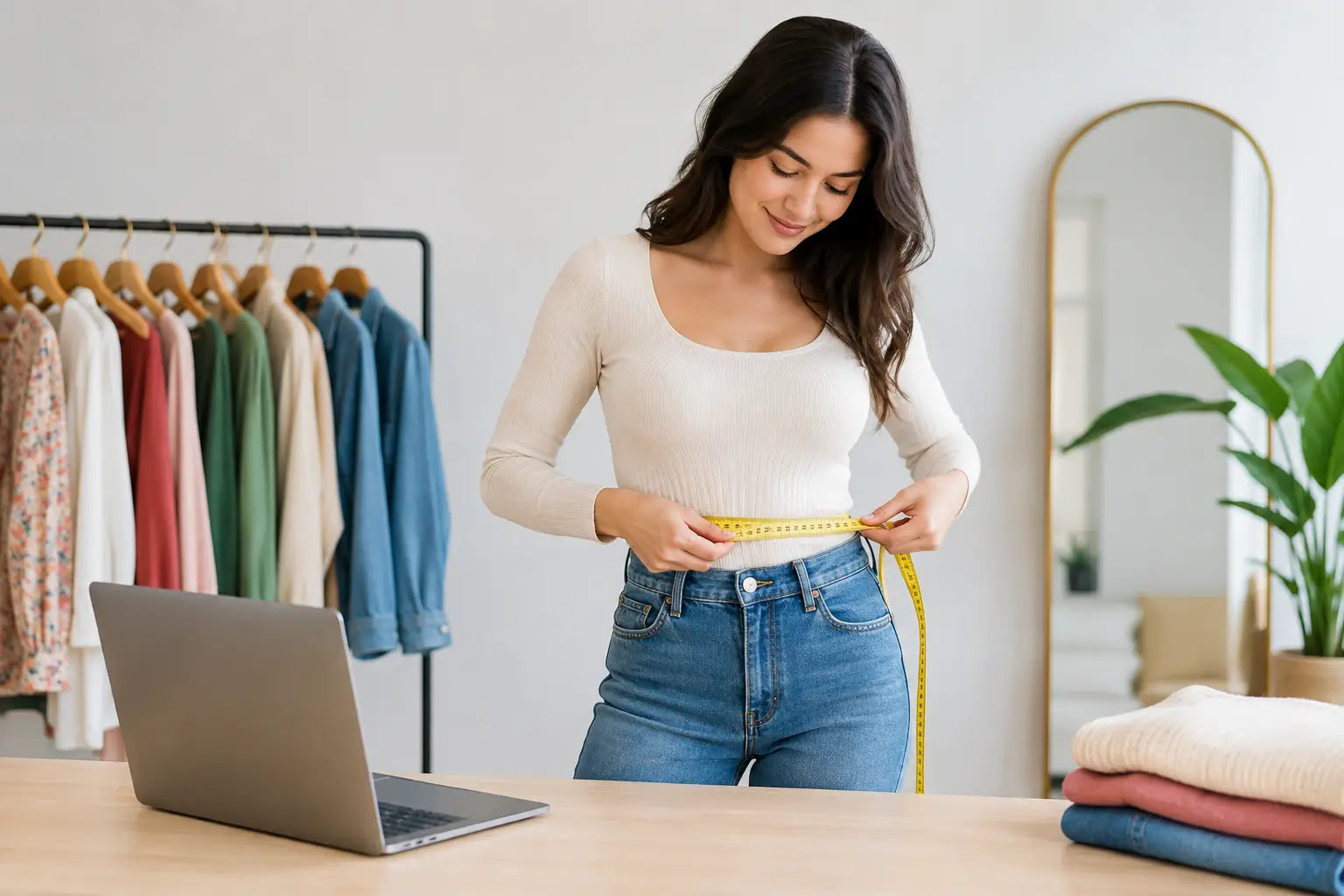
Your usual size is a helpful starting point, but your measurements tell the fuller story. Grab a soft measuring tape, wear fitted clothing or underwear, and stand naturally. Do not pull the tape tight enough to change the number. You want the fit you actually live in, not the fit you can hold for three seconds in the mirror.
Measure these four areas and save them in your notes app:
- Bust: Measure around the fullest part of your bust, keeping the tape level across your back.
- Waist: Find the narrowest part of your natural waist, usually above the belly button.
- Hips: Measure around the fullest part of your hips and seat.
- Inseam: Measure from the top of your inner thigh to the ankle, especially when shopping pants, flares, or long jumpsuits.
How to Read an Online Boutique Size Chart
A size chart is not fine print. It is part of the outfit. Before adding to cart, compare your measurements with the chart listed for that item, not just the general size you wear elsewhere. Small differences matter when the look is body-conscious, tailored, or made with a fabric that has little give.
Pay attention to whether the chart lists body measurements or garment measurements. Body measurements tell you which shopper the size is designed for. Garment measurements tell you the actual dimensions of the clothing. If a garment measurement at the bust is close to your own bust measurement, that piece may fit snugly unless the fabric has stretch.
Product descriptions can be just as useful as the chart. Words like “fitted,” “snatched,” “slim fit,” “bodycon,” and “tailored” mean the cut is intended to sit close to the body. “Relaxed,” “oversized,” “flowy,” and “easy fit” usually suggest more room. Neither is better. It depends on whether you want a birthday-dinner silhouette or a breezier brunch look.
When a size recommendation mentions that a model is wearing a certain size, use it as context, not a rule. Check the model’s stated height and measurements if available, then compare proportions. A look can fit one person at the ankle and another at the calf. That is especially true with jumpsuits, maxi dresses, and wide-leg pants.
The Fabric Check: Stretch Changes Everything
A size tag does not tell the whole truth. Fabric composition often does.
Spandex, elastane, and stretchy knits can offer flexibility through the bust, hips, and waist. A curve-hugging dress with meaningful stretch may feel comfortable in your usual size even when the fit looks extra sculpted. Still, stretch is not magic. If you are between sizes and do not want a very tight look, sizing up can give you more breathing room while keeping the shape.
Woven fabrics such as denim, poplin, satin, faux leather, and many cargo materials often have less give. If the waistband, bust, or hip area is already your most fitted area, read that chart carefully. For a non-stretch piece, the larger of your relevant measurements is usually the safer choice.
Also look for design details that change the fit. Smocking, elastic waistbands, adjustable straps, tie backs, and wrap styling can make a piece more forgiving. Zippers, buttons, lined bodices, and fixed waist seams make the fit more exact. A little adjustable detail can be the difference between “cute for photos” and “cute all night.”
Choose Your Size by Outfit Type
Dresses That Bring the Drama
For bodycon dresses, compare bust, waist, and hip measurements, then decide how close you want the fit to feel. If the dress is stretchy and you love a sculpted look, your usual size may be your moment. If it is non-stretch, lined, or has a zipper, give your fullest measurement the attention it deserves.
For flowy dresses, focus on the bust and shoulder fit, especially if there is a fixed waistband. A loose skirt will not help if the bodice feels restrictive. For mini dresses, consider length too. Taller shoppers may want to check the listed length and choose styling options that make them feel secure.
Matching Sets Made to Look Intentional
Sets take the guesswork out of styling, but sizing can be trickier when your top and bottom are different sizes. Read whether the pieces are sold together and whether the waist is elastic, adjustable, or fixed. If the bottom is fitted and the set comes as one size, choose based on your hips and waist. A slightly roomier top is often easier to tailor with a tuck, tie, or styling trick than bottoms that pull or pinch.
If the top is structured, cropped, or bustier-inspired, make sure it works for your bust measurement first. The best matching set should look coordinated, not feel like a compromise by dessert.
Jumpsuits and Rompers
Jumpsuits are all about torso length as much as bust, waist, and hips. If you are tall, long-torsoed, or between sizes, check for stretch and adjustable straps before choosing. A jumpsuit that is too short through the torso can pull at the shoulders and rise, even when the hips technically fit.
For wide-leg jumpsuits, the upper body is usually the deciding factor. For fitted rompers, look closely at hip room and rise. If you plan to sit, dance, or spend the night outside of a posed mirror pic, comfort through the seat matters.
Denim, Pants, and Cargo Looks
Denim sizing can be its own personality. Check whether the item is rigid denim, comfort stretch denim, or a soft denim blend. Rigid denim may feel snug at first and relax with wear, but it should not be painful, difficult to button, or overly restrictive from the start.
For pants and cargo styles, use waist and hip measurements, then check inseam and rise. A high-rise fit will sit at a different point than mid-rise pants, so do not compare the waistband to a pair that lives lower on your body. If you are curvy through the hips, avoid sizing down for a tighter waist unless the product description confirms plenty of stretch.
Between Sizes? Make the Smart Choice
Being between sizes is normal, not a shopping failure. Start with the fabric and the intended silhouette. Size down only when the item is stretchy, relaxed, or designed with adjustable features and you prefer a closer fit. Size up when the piece is structured, non-stretch, zippered, lined, or fitted across the area you want to feel most comfortable.
Consider the occasion, too. A set for vacation photos can be more fitted than a jumpsuit you will wear to a long dinner, a concert, or a full day of celebrating. You deserve to look expensive and feel free enough to enjoy the plans you dressed for.
If you are shopping a sale piece, take a beat before ordering. Final-sale choices can be worth it when you know the silhouette, fabric, and measurements work for you. If you are trying a new cut or fabric, choosing a non-final-sale option can give you more flexibility if the fit is not your favorite.
Make the Fit Work Once It Arrives
Try your outfit on with the shoes and undergarments you plan to wear, not just bare feet and whatever bra happened to be closest. Heels can change pant length. Shapewear can change how a fitted dress sits. A strapless bra, fashion tape, or seamless thong can completely shift the finish of a look with cutouts or a low back.
Move before you commit. Sit down, lift your arms, take a few steps, and check the outfit in natural light. Look for pulling at zippers, gaping at buttons, straps that slip, or a hem that rides up more than you like. A statement piece should make you feel seen for the right reasons.
The best size is the one that gives you confidence before you ever leave the house. Keep your measurements handy, read each product’s details like a stylist would, and let the outfit fit your life - not just the mannequin photo.
Free shipping when you become a member
Sign up below!